"Give Us the Keys": Empowering Admins with Direct Access to Critical Tools
In my 9 months as a product designer on the Admin team at nCino, I contributed to multiple admin-facing initiatives aimed at reducing dependency on support teams and customer success managers by making key tools self-serve. Through 30+ research sessions and cross-functional collaboration, I helped uncover pain points, validate concepts, and ship impactful experiences across the admin platform.
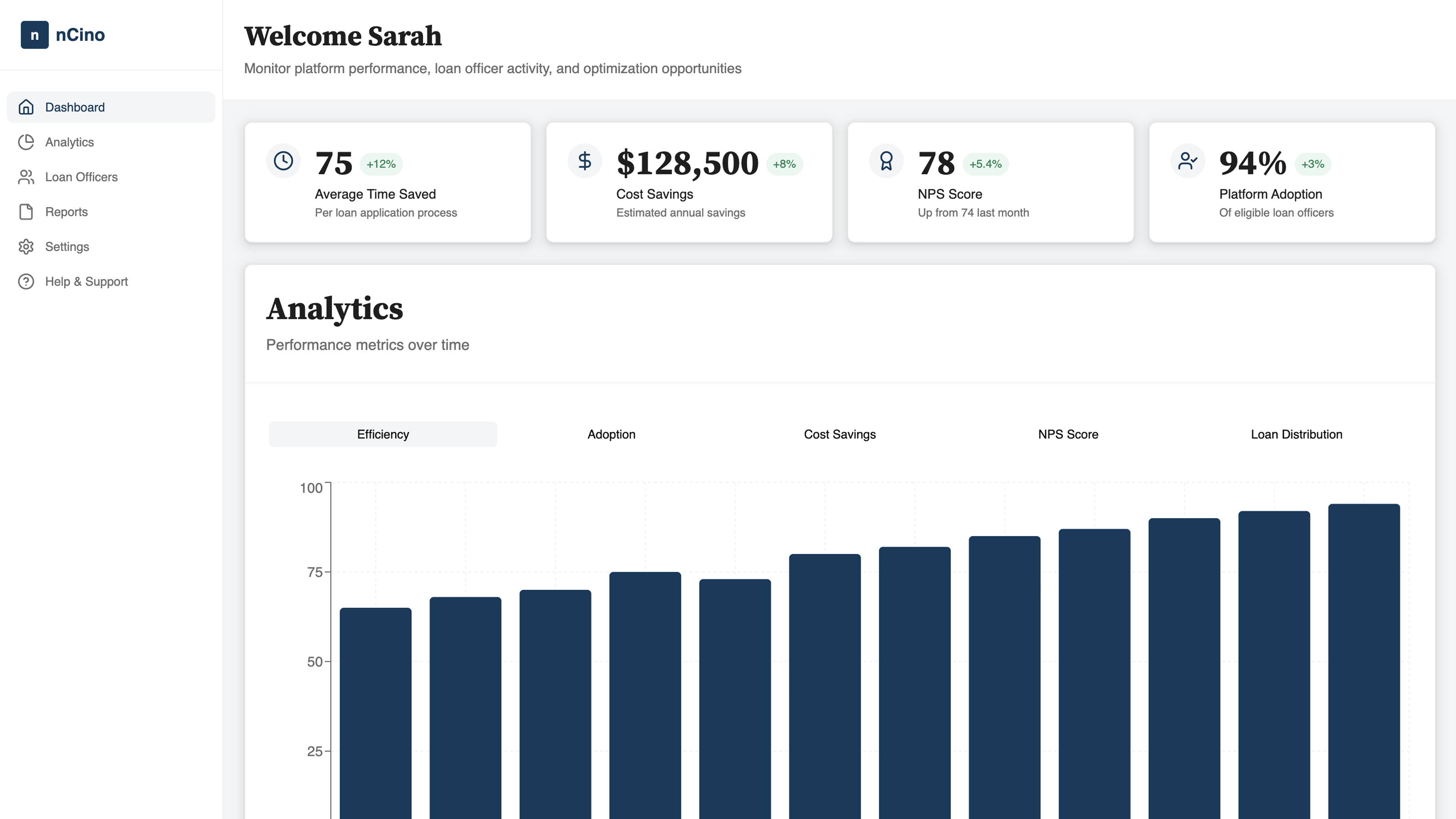
Problem
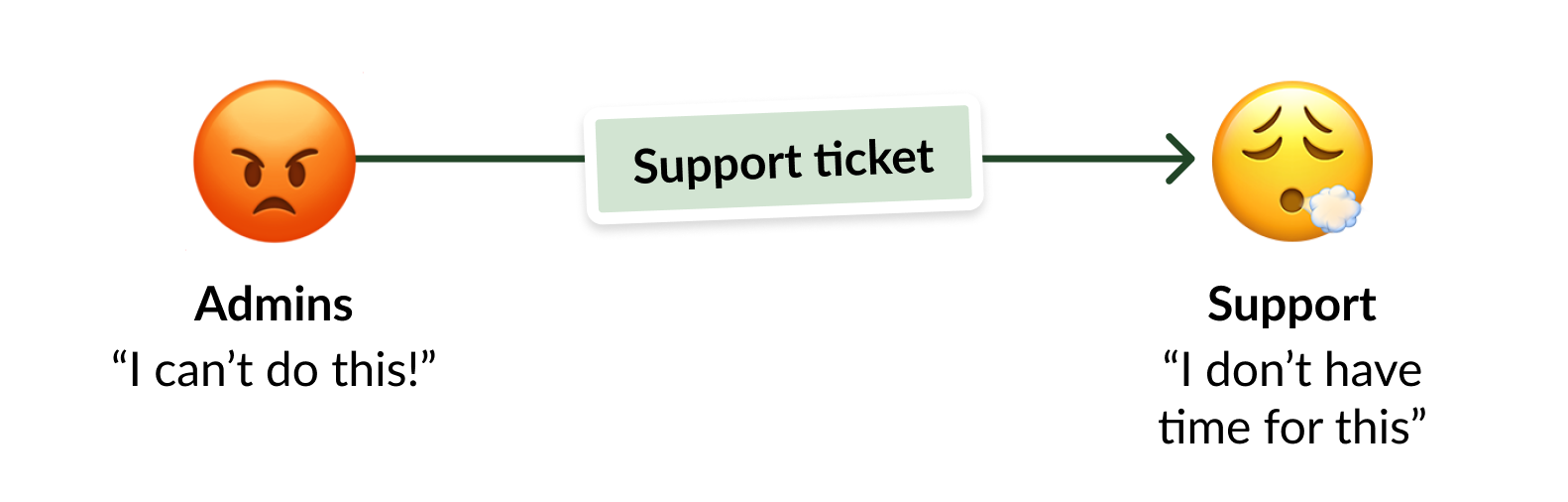
Lack of self-serve tools
Company admins play a critical role in managing users, permissions, settings, and troubleshooting for their loan officers within the nCino Mortgage platform. Yet many tasks couldn't be done independently. Admins frequently relied on nCino support and CSMs for tasks they felt should be self-service. This created friction for users and incurred operational costs for the business. Our goal was to reduce support tickets and empower admins by redesigning tools with intuitive, self-serve functionality.
My role
1. Led design efforts for user audit logs, notification management, and contributed to role-based access controls and other admin tools.
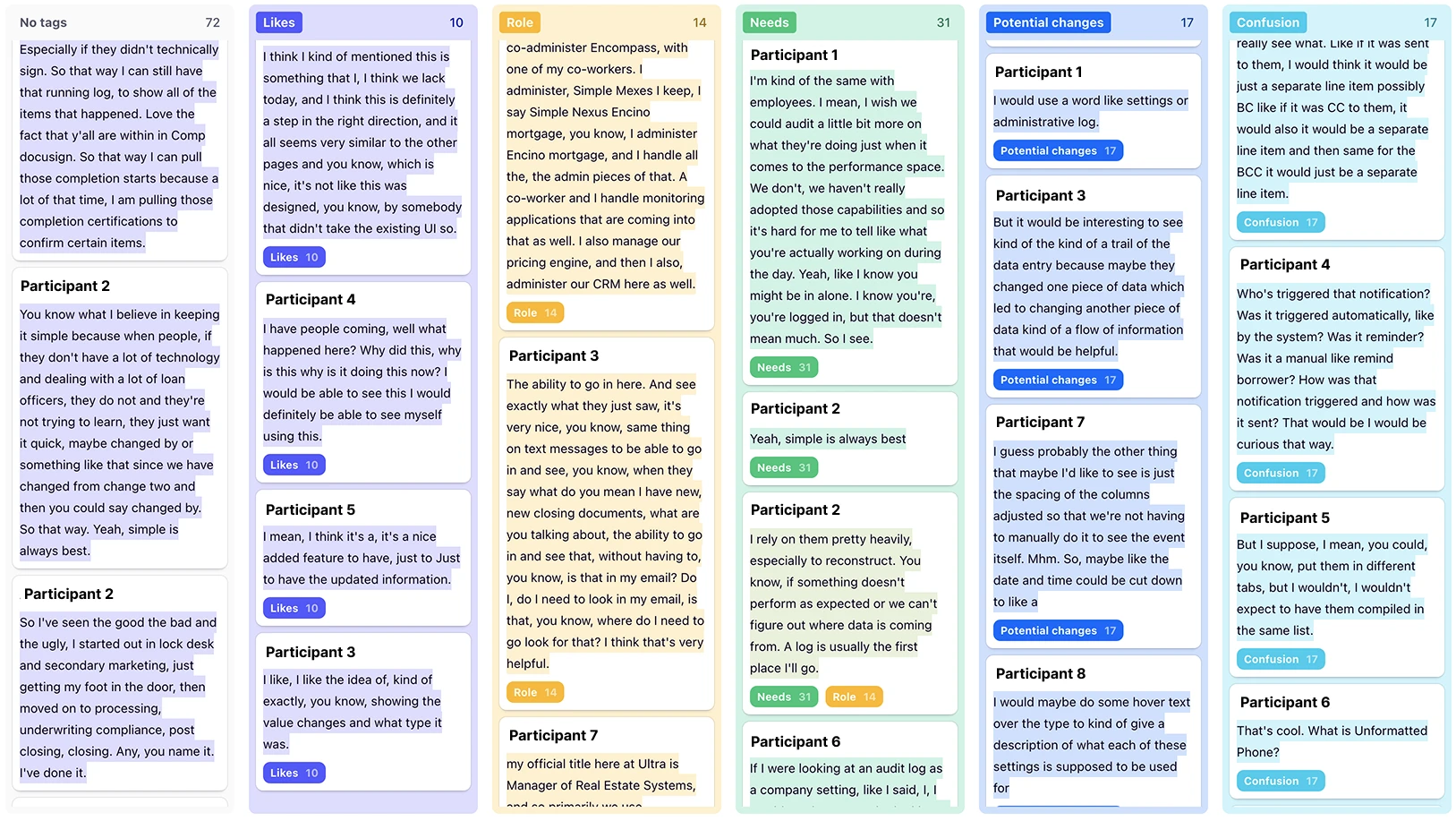
2. Conducted 30+ user research sessions including interviews, usability tests, and CSM and support insights.
3. Partnered closely with PMs, engineers, CSMs, support, and the design team to ship scalable, self-serve tools.
4. Initiated a design vision exploration to unify fragmented experiences during my final month.
Research & Insights
30+ research sessions
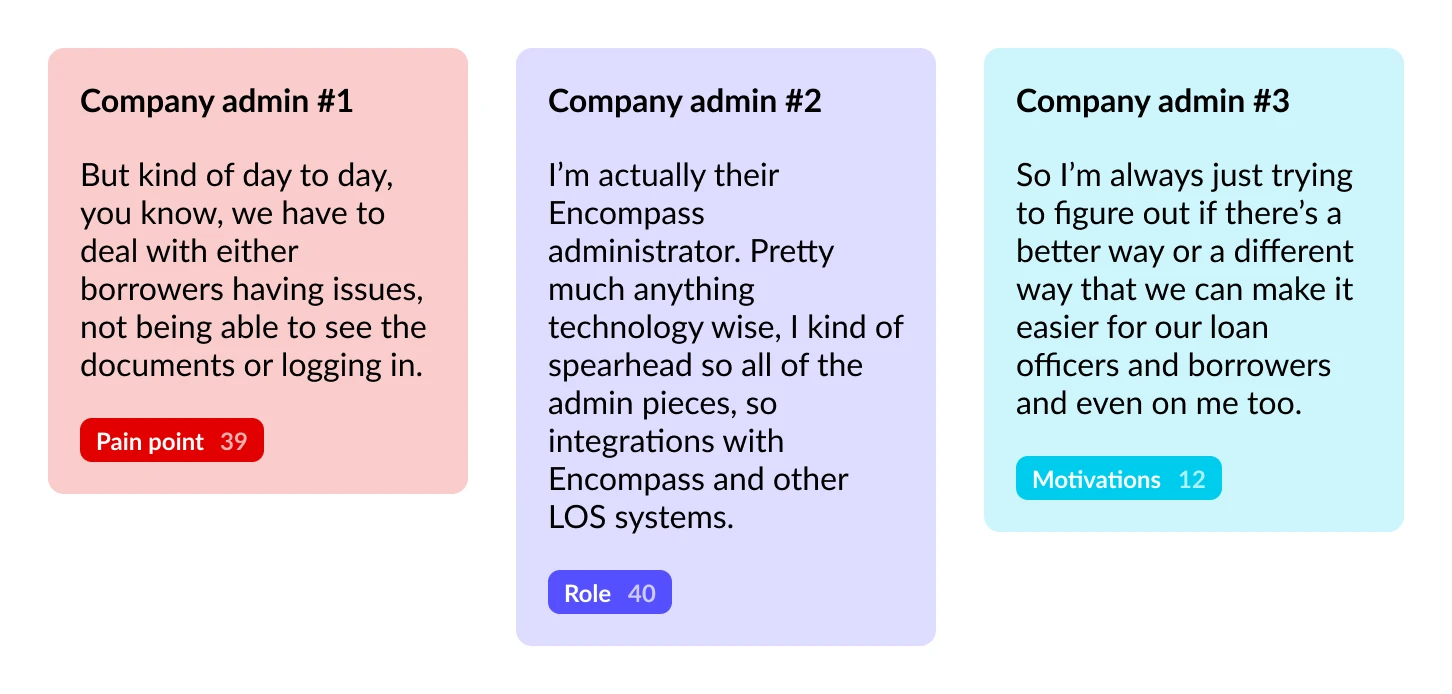
I conducted qualitative research with 30+ company admins, support agents, and customer success managers. I uncovered a clear pattern: admins wanted transparency and control over their tools. They were frustrated by delays and felt that many basic actions — like viewing audit trails or managing notifications — should be available to them directly.
"It just sucks when we have to go to somebody else for things we should be able to do ourselves."
Jesse L., Company Admin
Solution
Designing for self-serve
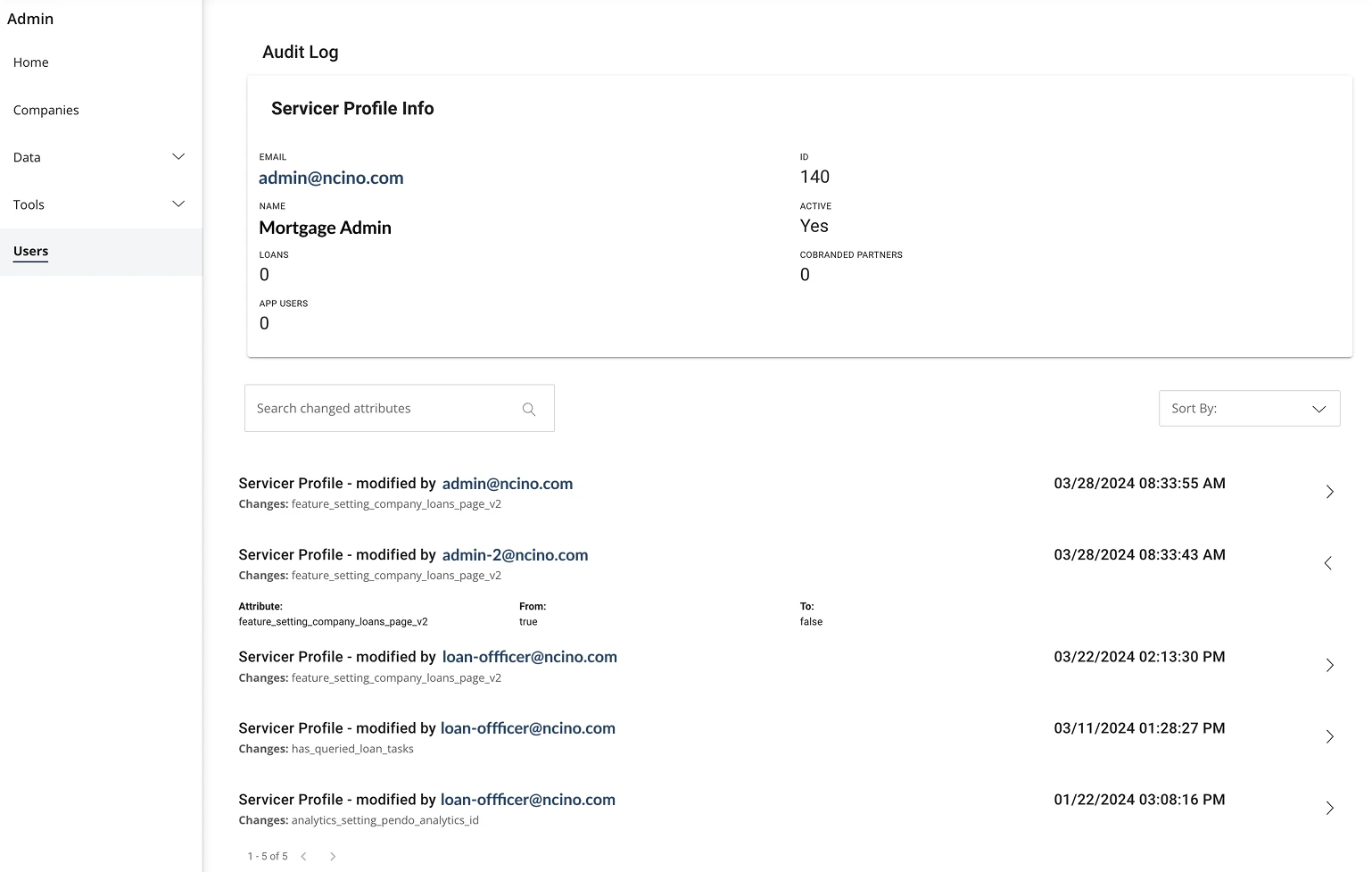
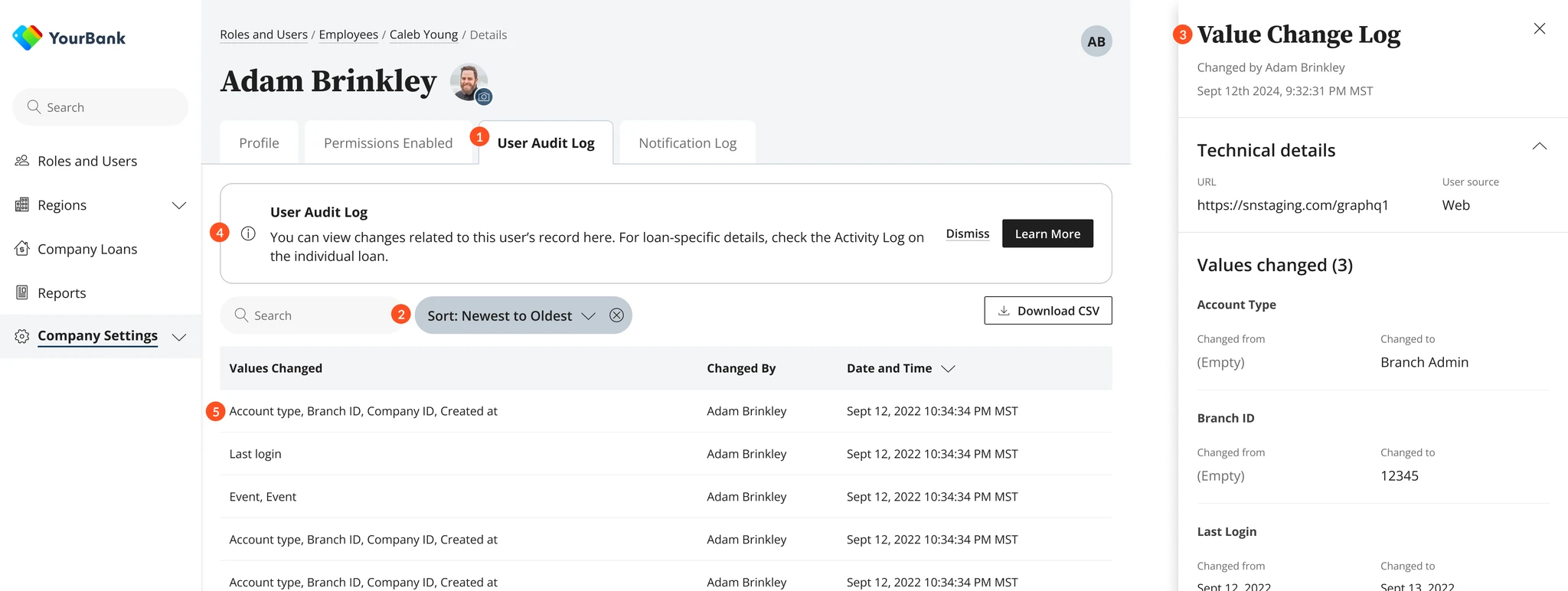
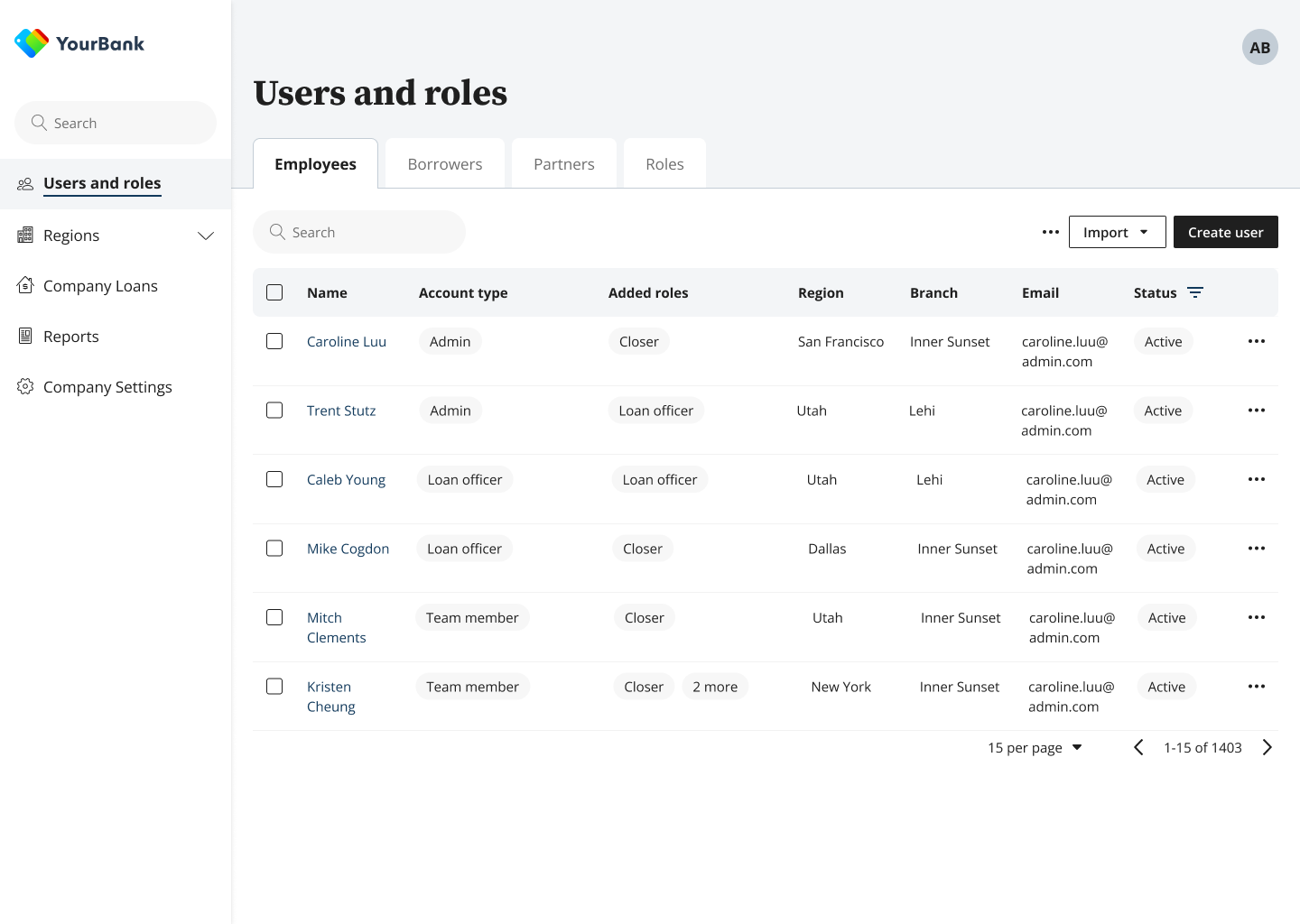
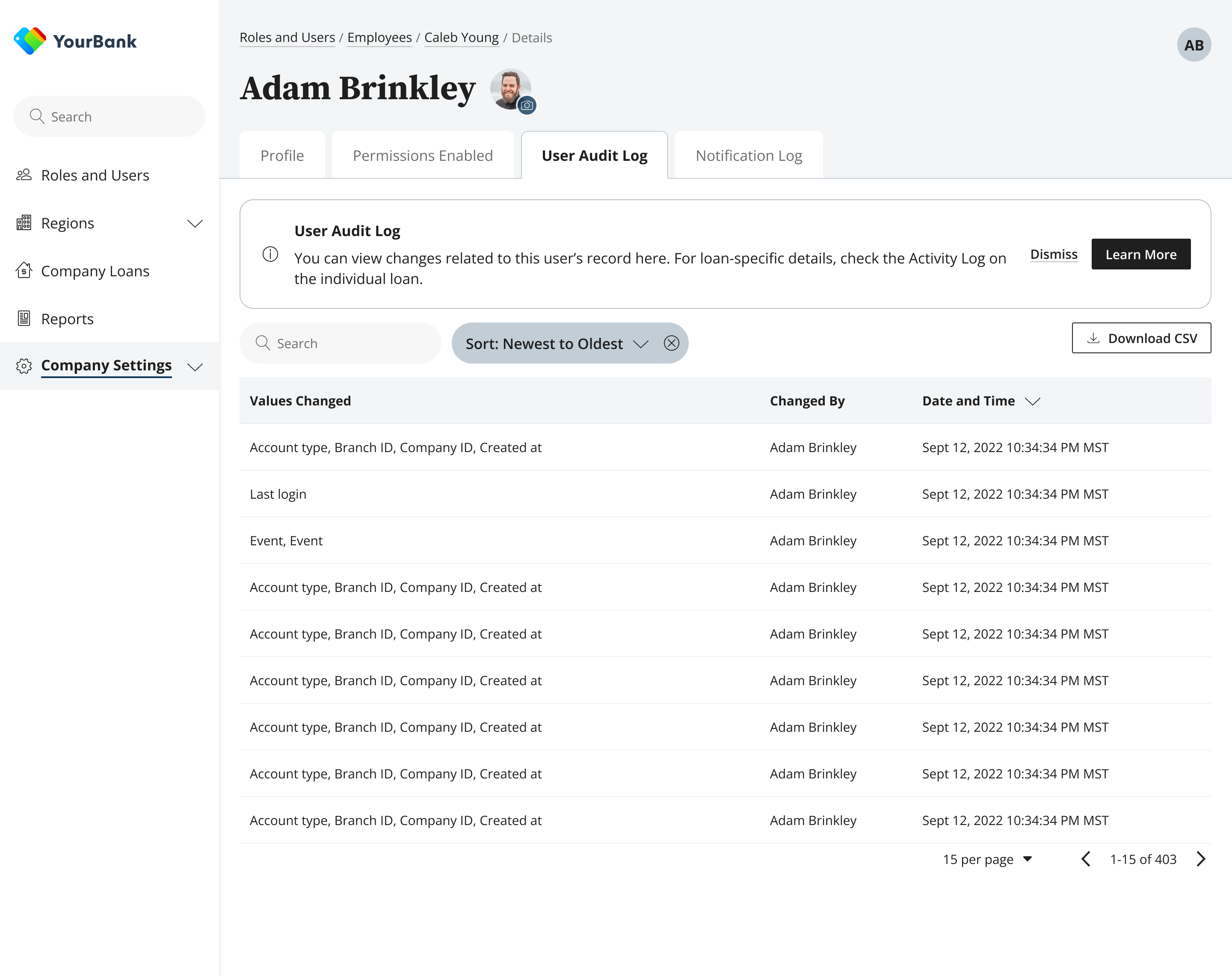
We focused on redesigning and exposing key admin features to be directly accessible within the platform. One of those areas was the user audit log, which tracks account activity like password resets, logins, and profile changes.
Before
After
What I did
- Designed a user-friendly audit log table that aligned with our design system.
- Introduced filters, search, and CSV export to meet power-user needs.
- Created a side panel for detailed views, improving scannability.
- Facilitated multiple rounds of usability testing and iterated based on feedback.
- Adapted designs quickly when engineering revealed unexpected data limitations.
Other work
Other admin experience improvements
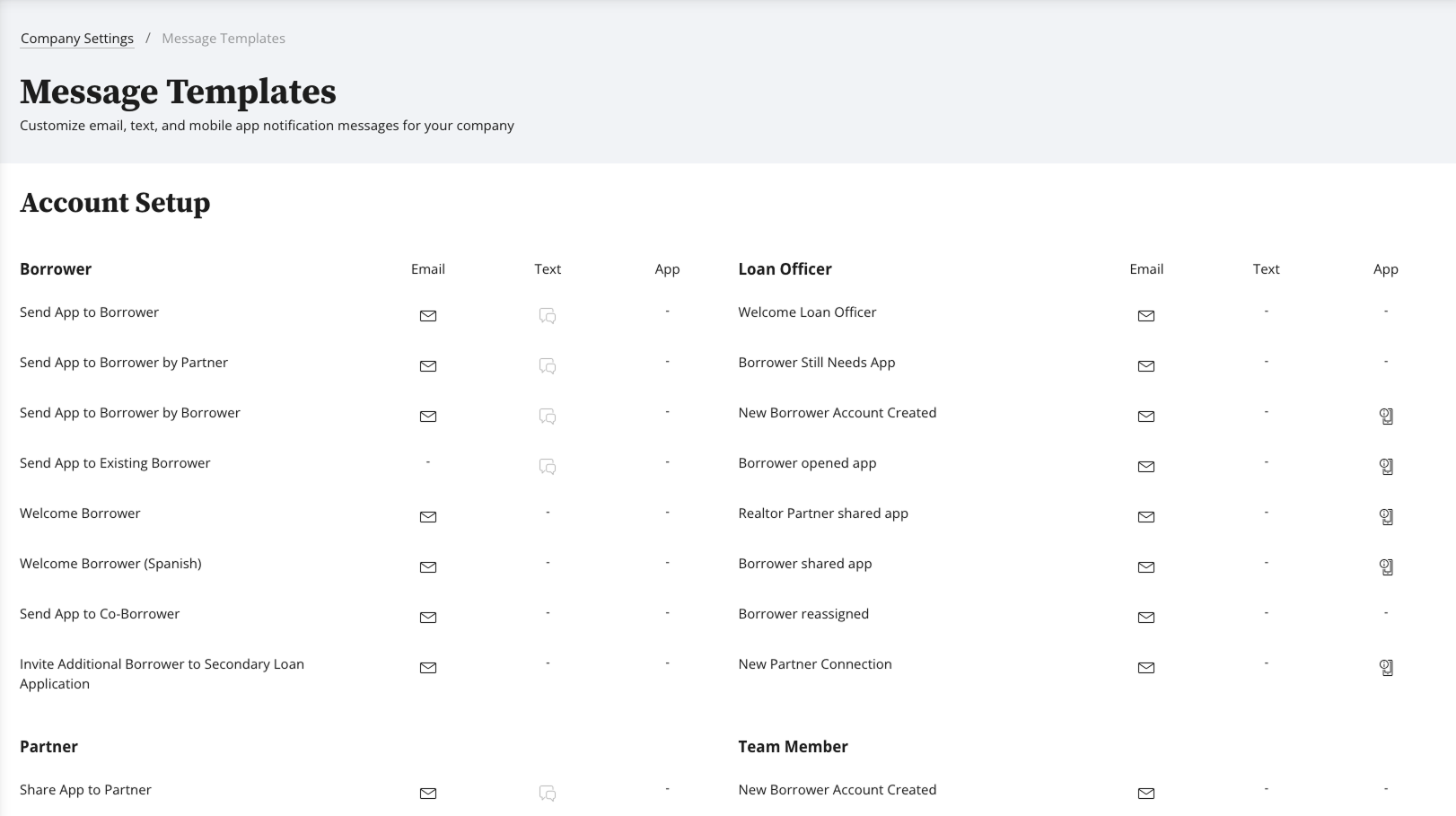
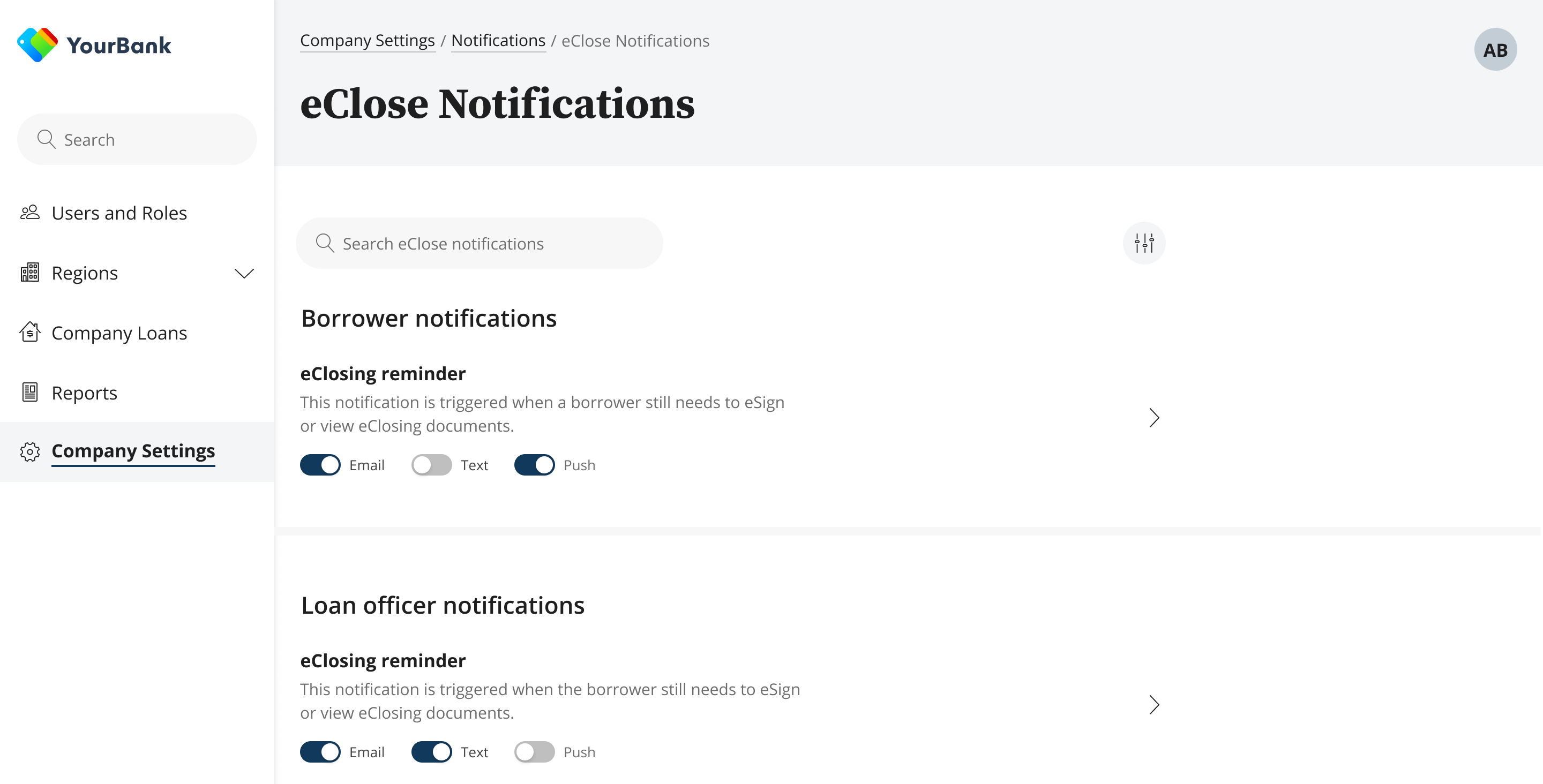
Notification Management
Improved the message templates experience and brought more functionality to managing notifications.
Before
After
Permissions Management (RBAC)
Joined midway through the project and played a key role in designing missing flows, refining in-progress designs as requirements evolved, and usability testing areas of confusion to inform necessary design improvements.
Admin Design Vision
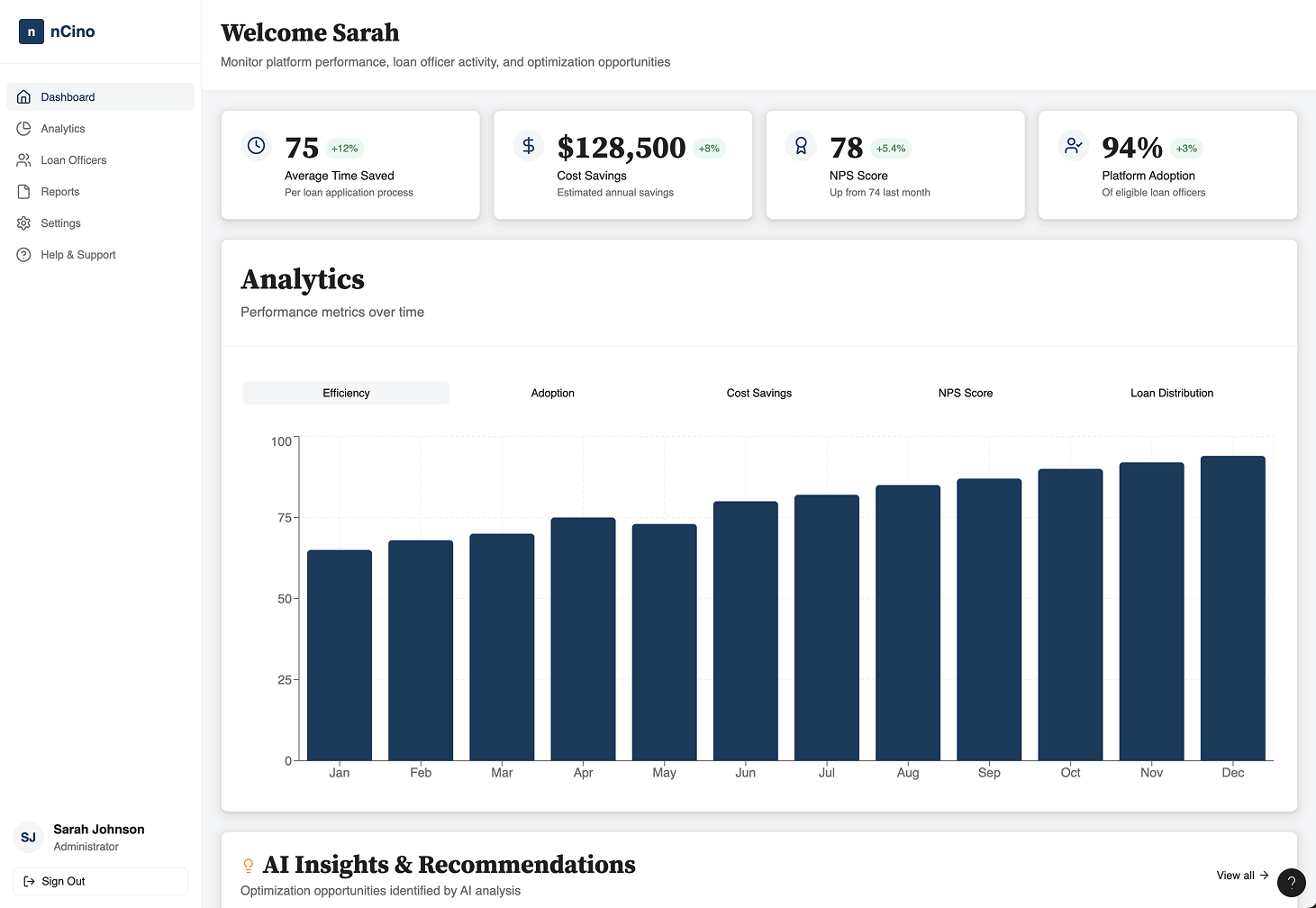
Explored long-term concepts for displaying ROI and improving discoverability.
Impact
Reducing support load and friction
Though I wasn't there for the final release due to broader organizational changes, I'm proud of the progress we made:
- Reduced reliance on support by enabling self-serve access to user audit logs.
- Shipped a solution that was successfully tested in beta withpositive admin feedback.
- Uncovered opportunities for further improvements in permissions and logging infrastructure.
- Created foundational design patterns that improved the team's design velocity.
Sam collaborated closely with product managers and engineers, and her designs always balanced vision with feasibility.
During her time on my team, she didn't just meet expectations — she surpassed them. Her work was so strong that she was recognized as our top-performing researcher, on top of being a talented product designer.
I think this is definitely a step in the right direction.
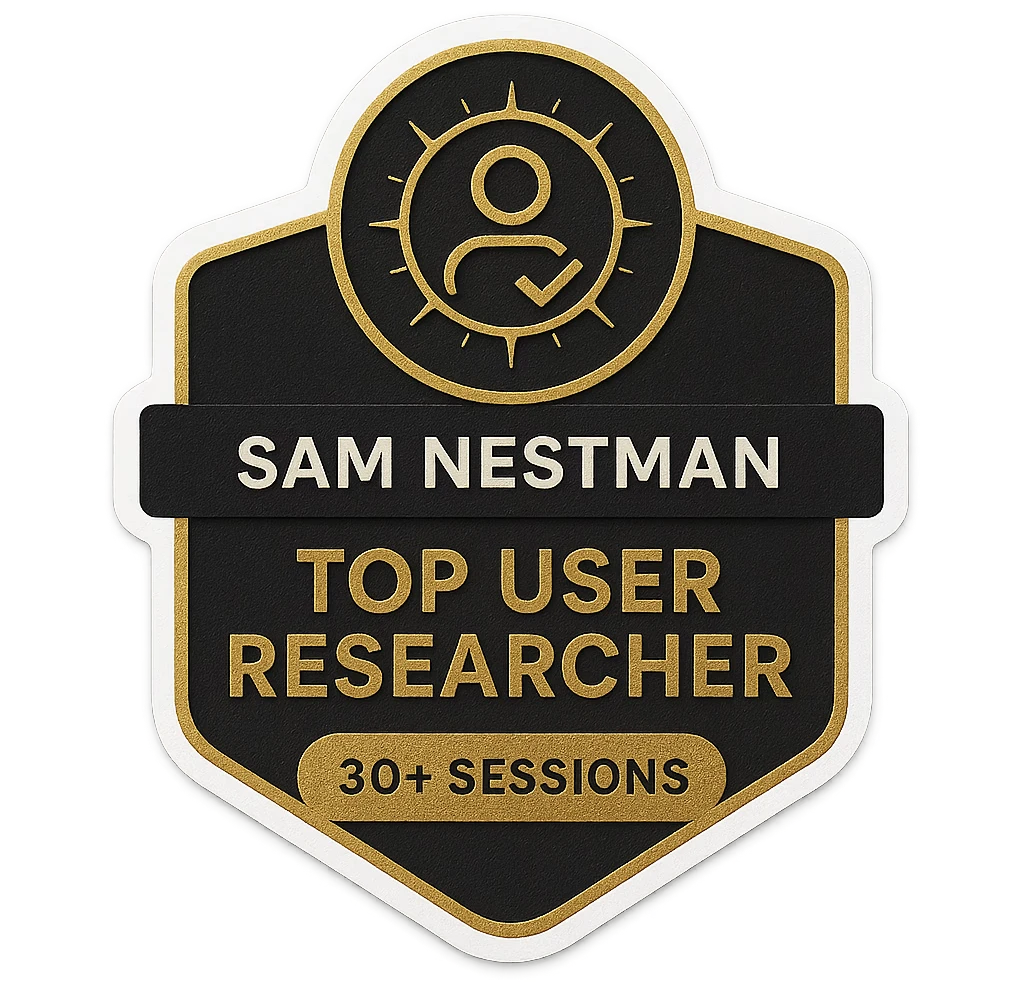
Recognized on the design team as the top user researcher
Reflection
What I learned
Working on the Admin team at nCino taught me how to design for complex, high-stakes systems while navigating technical constraints, regulatory considerations, and shifting priorities. I'm proud of how much we were able to move the needle in under a year. More than anything, I learned that good design for enterprise users often means reducing friction — not just through interfaces, but through empowerment and trust.
Let's connect
I'd love to share the full story or hear about what you're working on.